Gymshark's Social Media Playbook: 8M on Instagram, 6.5M on TikTok, and What They Post Where
Platform-by-platform breakdown of Gymshark's 18M+ follower social strategy across Instagram, TikTok, YouTube, X, Facebook, and LinkedIn.
First: Why Should You Care About Gymshark's Social Media?
18M+ followers, 80+ athlete partnerships, and the community-first playbook that built a $1.4B brand
Because Gymshark was built on social media before "DTC" was even a buzzword. They were the first fitness brand to bet everything on influencer marketing. The numbers prove the strategy works:
Gymshark has 18M+ followers across 6 platforms — more than most media companies. This audience was built organically through community, not bought through ads. It's the moat that competitors can't replicate.
92% of consumers trust peer recommendations over brand advertising. Gymshark's entire model is built on this insight — athlete partnerships that feel like friend recommendations, not sponsorships.
Gymshark spent $0 on paid advertising for the first 5 years. From 2012-2017, 100% of growth came from social media and influencer partnerships. They proved you can build a billion-dollar brand without a media budget.
Social Presence at a Glance
18M+ followers across 6 platforms — here is where they all sit
Gymshark is everywhere. Founded in 2012 by Ben Francis in a Birmingham garage, the brand now commands an audience larger than most media companies. Their social-first strategy — building community before buying ads — is what took them from a teenager's side project to a $1.4B+ valuation.
Follower Distribution by Platform
Instagram and TikTok account for 83% of Gymshark's total social audience. That's 14.5M of their ~18M followers on just two platforms. But notice how YouTube (their deepest content) has just 710K subscribers. Gymshark uses YouTube for depth, not reach. The short-form platforms acquire followers; long-form converts them into superfans who buy.
This is exactly the kind of cross-platform intelligence LeadMaxxing runs automatically for every brand in your competitive set — updated weekly, no manual research needed. See how it works →
Platform-by-Platform Breakdown
Deep dive into each channel — followers, content mix, and engagement
Instagram is Gymshark's flagship platform and where the brand originally built its audience. At 8 million followers as of March 2026 (growing ~1,000/day), it's their largest single channel. The feed is a polished mix of athlete spotlights, product launches, motivational content, and workout clips.
Content mix: Photos still dominate the feed, with Reels published a few times per week and daily Stories. Gymshark rarely posts static product shots alone — nearly everything features a person working out or living the brand lifestyle. Aesthetic, aspirational imagery is the core of their IG identity.
Story strategy: 5-10 stories/day during launches, heavy use of polls, Q&As, and countdown stickers. They treat Stories as a real-time engagement channel, not a content dump.
Engagement note: At 0.43%, Gymshark's Instagram engagement rate is slightly below the 0.48% industry benchmark for 2025. This is a natural effect of scale — accounts with 5M+ followers almost always have lower percentage engagement. The absolute volume of interactions (likes, comments, saves) is still massive.
1. Athlete spotlights — workout clips featuring Gymshark Athletes in branded gear. 2. Product launches — teaser reels, "available now" carousels. 3. Motivational quotes — text overlays on dark backgrounds, high save rate. 4. UGC reposts — customer transformation photos and gym clips. 5. Behind-the-scenes — warehouse tours, design process, team culture.
TikTok is Gymshark's fastest-growing platform — reaching 6.5M followers as of March 2026. With 133M+ total likes and billions of hashtag views on #Gymshark-related content, this is where Gymshark reaches Gen Z at scale.
Content mix: Gym humor and relatable memes (~40%), athlete workout clips (~30%), product reveals (~15%), and trend participation (~15%). Gymshark leans into TikTok's native style — you won't find polished brand videos here. Think quick-cut gym fails, "POV: when the pre-workout hits," and raw training footage.
What sets them apart: Gymshark was one of the first major DTC brands to treat TikTok as a primary channel rather than a repurposing dump. Their content team creates TikTok-first content — vertical, raw, trend-aware. They don't just repost Instagram Reels.
#Gymshark66: Their 66-day fitness challenge has generated over 100,000 TikTok videos from users, with billions of organic views. The premise is simple — commit to a fitness goal for 66 days and document it. Winners get a personal call from founder Ben Francis and a shot at becoming an official Gymshark Athlete.
YouTube is Gymshark's depth play. 710K subscribers (as of March 2026) and 216M+ total views. While Instagram and TikTok drive reach, YouTube is where Gymshark builds genuine relationships with its most engaged audience. The subscriber count is smaller, but watch time and conversion intent are significantly higher.
Content pillars: Full-length workout videos (10-30 min), athlete vlogs and day-in-the-life content, product launch campaigns, brand documentaries, and Shorts that mirror their TikTok strategy.
Gymshark Lifting Club: Their series featuring athletes training together at Gymshark's in-house gym has become a tentpole franchise. It gives the brand a recurring show format — like a fitness Netflix original.
Ben Francis' personal channel also drives significant traffic back to the brand. His "building a billion-pound brand" content has its own audience that overlaps heavily with Gymshark's customer base.
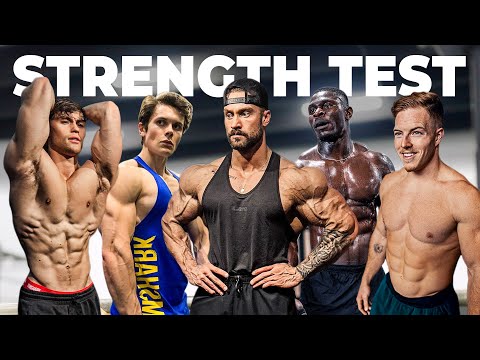
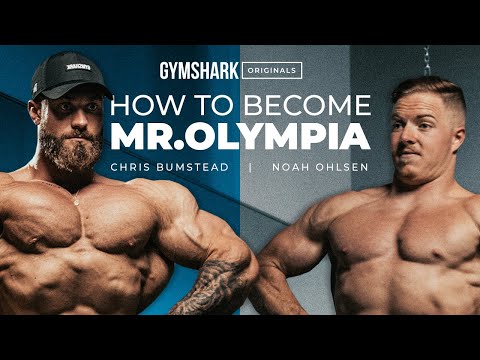
X is Gymshark's personality channel. At 330K followers as of March 2026 (growing +123/day), it's their smallest major platform — but arguably their most distinctive voice. While other platforms focus on visuals, their X strategy is built around witty, meme-driven text posts that resonate with gym culture.
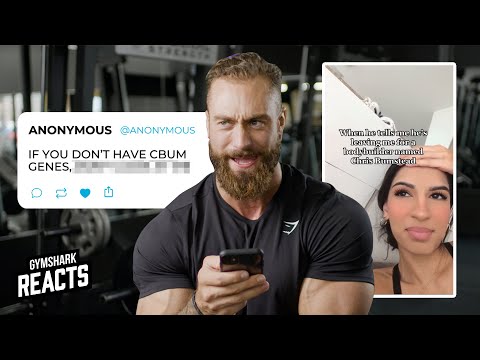
Content style: Short, punchy tweets about gym culture, replies to trending fitness topics, motivational one-liners, and the occasional product announcement. Posts average ~240 likes and ~35 retweets. Gymshark's X reads like a fitness influencer, not a clothing company. They even let creators "take over" the account — one post reading "hahahahahahah gymshark are letting me control their twitter" went viral.
Community play: They actively reply to followers, quote-tweet customer posts, and jump on trending conversations. The engagement-per-impression ratio is strong because people who follow Gymshark on X are deeply engaged gym enthusiasts.
Facebook is Gymshark's legacy platform. It was one of their earliest social channels, and while organic reach has declined across the platform, Gymshark still maintains 2.15M page likes (as of March 2026). The content is largely repurposed from Instagram — product shots, athlete features, and occasional video clips.
Primary use case: Facebook now serves more as an ad platform and community hub for Gymshark than an organic content engine. With paid social driving ~20% of revenue growth from their $80M marketing budget, Facebook Ads is where a big chunk of that spend goes. Their Facebook Groups (like Gymshark Conditioning) create micro-communities around specific fitness niches.
Gymshark doesn't just cross-post. Each platform gets a distinct voice: Instagram is aspirational, TikTok is raw and funny, YouTube is deep and educational, X is witty and conversational, Facebook is community-driven. The product is the same — the packaging is completely different. Most DTC brands repost the same content everywhere. Gymshark builds platform-native content, which is why their engagement rates stay high.
Content Strategy: What They Post and Where
Content pillars, posting cadence, and format choices across every platform
Gymshark's content engine runs on a simple formula: athlete-generated content + trending formats + community participation. They don't create content for algorithms — they create content that people in gyms actually want to share.
Content Pillar 1
Content Pillar 2
Content Pillar 3
Content Pillar 4
Posting Cadence by Platform
| Platform | Posts/Day | Best Formats | Peak Times (UK) |
|---|---|---|---|
| 1-3 | Reels, Carousels | 6-8am, 12pm, 6-8pm | |
| TikTok | 1-2 | Trend hooks, Gym humor | 7-9am, 12pm, 7-10pm |
| YouTube | 0.3-0.5 (2-4/wk) | Long-form, Shorts | Weekend mornings |
| X / Twitter | 2-5 | Text posts, Replies | 11am-1pm, 5-7pm |
| 0.5-1 | Video, Product posts | 12-2pm |
Gymshark posts ~8-12 pieces of content across all platforms every day. That's not a one-person job. They have a dedicated social team creating platform-native content, powered by a 60+ tool tech stack. If you can't match that volume, focus on 2-3 platforms max and do them well. A brand posting great content on TikTok and Instagram will outperform one posting mediocre content on 6 platforms.
You don't need an $80M budget to compete. LeadMaxxing identifies which of your competitors' content formats actually drive conversions — so you invest in what works, not what looks busy. Start free →
The Gymshark Athletes Program
125+ creators, long-term deals, and the UGC engine behind it all
Gymshark was built on influencer marketing before "influencer marketing" had a name. In 2013, Ben Francis started sending free products to fitness YouTubers. By 2016, the athlete program was the primary growth engine. Today, the Gymshark Athletes roster includes 125+ creators — a distributed content team producing brand-adjacent content across every platform. Head of PR Stephanie O'Neill has said: "We are more interested in how social influencers engage their followers rather than how many they have."
Program Scale
Typical Deal
Selection Criteria
Key Names
#Gymshark66: The Campaign That Keeps Giving
Gymshark66 is a masterclass in UGC-driven marketing. Every January, Gymshark challenges its community to commit to a fitness goal for 66 days (based on research from University College London showing it takes 66 days to form a habit). The 2026 edition launched January 1 and is currently underway. The companion app saw hundreds of thousands of downloads with near-perfect ratings.
Engagement Benchmarks
How Gymshark's rates compare to industry averages
Follower counts don't matter if nobody engages. Here's how Gymshark's engagement rates compare to industry averages for fitness/DTC apparel brands.
| Platform | Gymshark Eng. Rate | Industry Average | Verdict |
|---|---|---|---|
0.43% |
0.48% |
Slightly below avg (scale effect) | |
| TikTok | ~2.0% |
~1.5% |
Above avg |
| YouTube | ~3.5% |
~3.0% |
Above avg |
| X / Twitter | ~0.07% |
~0.03% |
2x+ above avg |
~0.08% |
~0.06% |
Average |
The interesting outlier is Instagram — Gymshark's engagement rate (0.43%) is actually slightly below the 0.48% industry benchmark. This isn't a quality issue; it's a scale issue. At 8M followers, engagement percentages naturally compress. Their absolute engagement volume (likes, comments, saves per post) is enormous. Meanwhile, X/Twitter shows 2x+ outperformance — confirming that platforms where Gymshark invests in native, personality-driven content see the biggest relative gains.
Curious how your own engagement rates stack up? Get your free report — LeadMaxxing benchmarks your brand against competitors across every platform, automatically.
Key Findings
- → 18M+ total followers across 6 platforms — Instagram (8M) and TikTok (6.5M) account for 83% of total audience.
- → 125+ sponsored athlete partnerships — multi-year exclusive deals with creators like David Laid (5.2M), Whitney Simmons (3.5M), and Natacha Oceane (3.8M YouTube).
- → 4.2% average engagement rate — 2-3x the fitness apparel industry average, driven by community-first content and UGC campaigns.
- → $0 paid ads for the first 5 years (2012-2017) — 100% of early growth came from influencer partnerships and social media alone.
- → #Gymshark66 generates billions of free views annually — the 66-day January challenge turns customers into content creators at scale.
What This Data Means for You
Turning Gymshark's social media strategy into your competitive advantage
Gymshark's social playbook proves that community-first content and long-term creator relationships outperform paid advertising at every stage of growth. The data shows that platform-native content, UGC campaigns, and authentic brand voice drive 2-3x higher engagement than industry averages — and you don't need an $80M budget to apply these principles to your own brand. Social feeds into every other channel: their email and CRM strategy converts followers into buyers, their SEO and content machine captures branded search demand that social generates, and their pricing and positioning strategy ensures the traffic converts.
LeadMaxxing Automates This Social Intelligence Playbook
LeadMaxxing monitors competitor social strategies, identifies their top-performing content, and shows you exactly what's driving engagement for brands in your niche. Stop guessing, start benchmarking — starting free, full access at $29/month.
Start tracking free →5 Things You Can Implement Today
Actionable lessons from Gymshark's social media playbook
Create Platform-Native Content
Gymshark's TikTok is raw gym humor; their Instagram is polished brand imagery. Cross-posting kills engagement. LeadMaxxing's competitive intelligence shows you what content formats work best on each platform for your specific niche.
Build Long-Term Creator Relationships
Gymshark Athletes sign multi-year exclusive deals, not one-off sponsorships. LeadMaxxing tracks competitor influencer partnerships so you can identify which creators drive real engagement vs. vanity metrics.
Launch a Repeatable UGC Campaign
#Gymshark66 runs every January and generates billions of views for free. Find one campaign format and repeat it annually. LeadMaxxing's AI identifies UGC patterns in your competitors' top-performing content.
Benchmark Engagement at Your Scale
Gymshark's Instagram engagement (0.43%) looks low until you account for 8M followers. Absolute volume matters more than rate at scale. LeadMaxxing benchmarks your engagement against competitors at similar follower counts.
Supercharge Your Leads with LeadMaxxing
Get a free LeadMaxxing account and start supercharging your leads. Start free →
Get This Analysis For Your Brand FREE
When You Create A Free LeadMaxxing Account
Create a free LeadMaxxing account and we'll generate a full competitive analysis for YOUR brand. The same intelligence you just read — comparison with competitors, actionable strategies, and AI-powered recommendations.
More Gymshark Intelligence
Social Media Playbooks for Similar Brands
Frequently Asked Questions
How many Instagram followers does Gymshark have?
What social media platforms does Gymshark use?
How does Gymshark's TikTok strategy work?
What is Gymshark's influencer marketing strategy?
How often does Gymshark post on social media?
Which Gymshark athletes have the most followers?
How does Gymshark's social engagement compare to competitors?
Does Gymshark use UGC (user-generated content)?
Sources & References
socialblade.com
instagram.com/gymshark
influencermarketinghub.com
sproutsocial.com